
Description
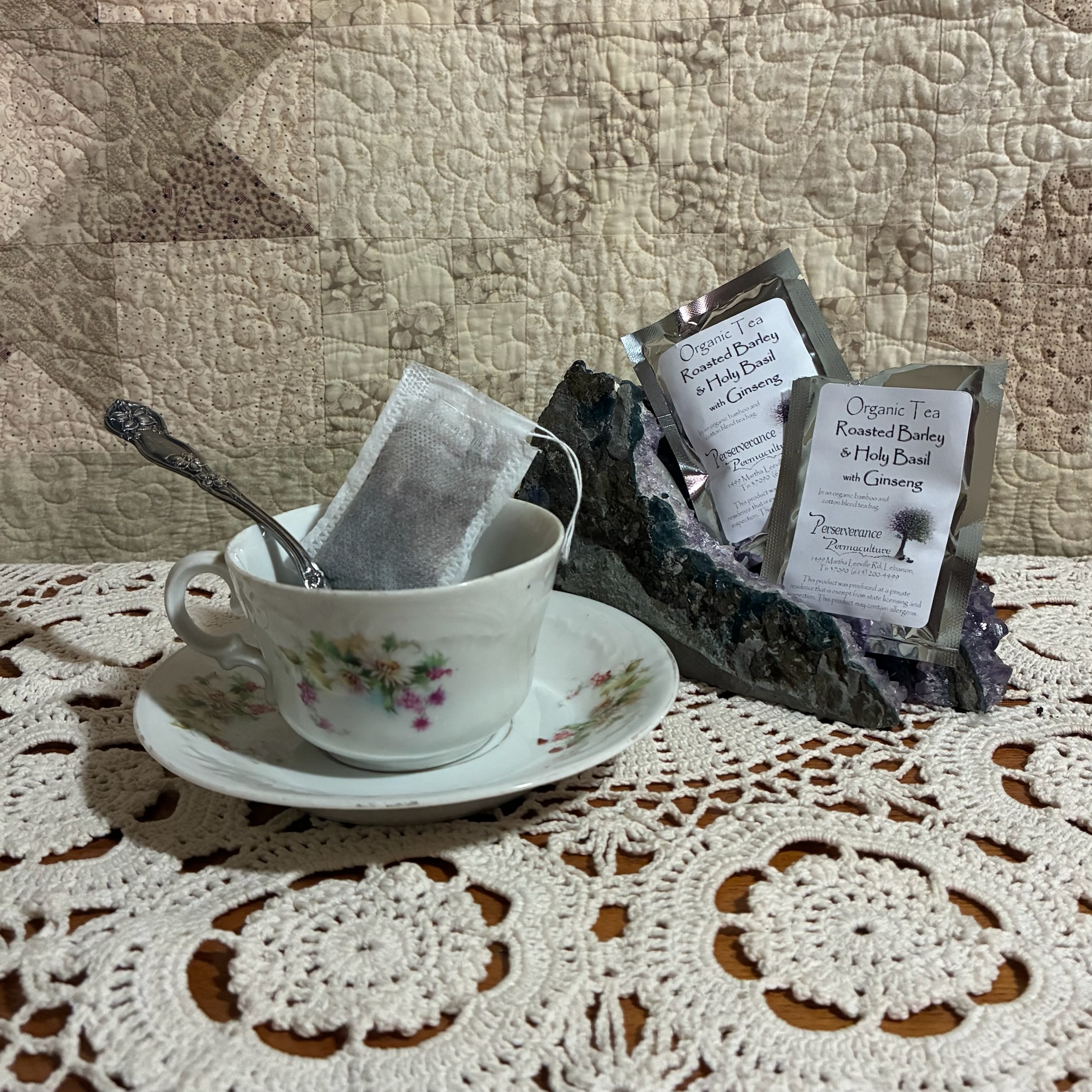
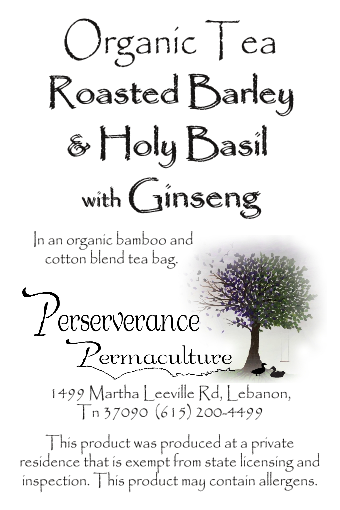
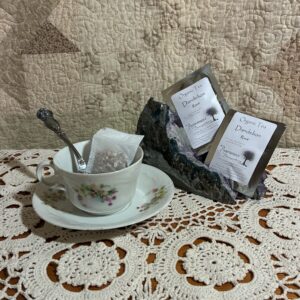
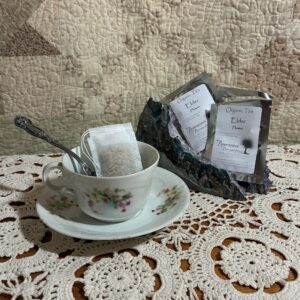
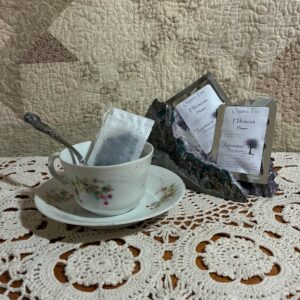
Roasted Barley & Holy Basil with Ginseng Tea is a wonderful organic full bodied dark tea often used as a coffee replacement. The roasted barley offers a toasty, slightly nutty flavor while Holy Basil adds a balanced spicy, sweet, and slight floral undertone. This tea does not contain caffeine, but is known to provide a healthy pick me up for a great start to your day, without leaving you feeling sluggish later on. It’s a wonderful cup or two a day type tea.
Warnings: Please consult a healthcare professional before consuming herbs or supplements. This product is not intended for children. This tea should not be consumed by individuals sensitive to the Lamiaceae family, Gluten sensitivity, taking diabetes/blood-thinning/thyroid medications or dietary stimulants, or those pregnant or nursing. Consumption should be avoided before and after surgery.
Experts say:
Barley (Hordeum vulgare)
The documented use of barley tea to combat gastrointestinal pain and promote health dates back to ancient Egypt. [1]
“Epidemiological studies have associated the regular consumption of barley with its potential to reduce the risk of certain diseases, such as chronic heart disease , colonic cancer, high blood pressure, and gallstones. Reports of barley’s role in maintaining a healthy colon, inducing immunostimulation, and generally boosting the immune system, among others, have been established. These therapeutic potentials are attributed to the presence of the bioactive components of vitamins, minerals, fiber, and other phytochemicals. ” [2]
Holy Basil (Ocimum tenuiflorum)
“This plant exhibits many medicinal properties such as antioxidant, antidiabetic, anti-inflammatory, anticancer, antinociceptive, antifertility, anthelmintic, cardioprotective, and antimicrobial. Most species of Ocimum are used to treat disease and functional disorders such as diabetes, dysentery, hemorrhoids, diarrhea, constipation, coughs, tuberculosis, eye and ear complaints, stomach disorder, abdominal pains, headaches, febrile illness, malaise, soreness, fever, reducing swelling, and central nervous system disorder.” [3]
Ginseng (Panax quinquefolius)
“…scientific literature worldwide has supported the beneficial effects of P. ginseng and P. quinquefolius in significant central nervous system, metabolic, infectious and neoplastic diseases. The modulation of the immune response is one of the most beneficial effects of ginseng… Psychiatric patients taking P. ginseng with other drugs, such as phenelzine or other monoaminoxidase inhibitors, have reported headaches, tremulousness and maniac episodes. Due to its well-known estrogen-like effect, ginseng should be used with extreme caution in women taking progestogens for the possible worsening of side effects of the latter. Subjects treated with warfarin or other anticoagulants or antiplatelet drugs should avoid taking ginseng-based supplements due to the high risk of bleedings. Subjects receiving digoxin or corticosteroids should also be cautious when taking ginseng. Owing to the immunomodulatory effects described above, immunocompromised subjects, treated with immune-stimulating therapies or with autoimmune disorders, should also take ginseng with caution.” [4]
“…modern ethnopharmacological studies have verified its traditional use in enhancing cognitive function among elderly populations with age-related memory impairment… P. ginseng contains ginseng polysaccharides and peptides, which indirectly support neuroprotection via enhanced immunomodulation.” [5]
Sources:
- Russell J, Kim HK, Korthout H, Naimi A, Reher R, van Duijn B, Wang M, Pommerening T. Philological analysis of ancient Egyptian recipes supported by modern chemical profiling approaches. J Ethnopharmacol. 2026 Jan 10;354:120498. doi: 10.1016/j.jep.2025.120498. Epub 2025 Aug 27. PMID: 40882787.
- Idehen E, Tang Y, Sang S. Bioactive phytochemicals in barley. J Food Drug Anal. 2017 Jan;25(1):148-161. doi: 10.1016/j.jfda.2016.08.002. Epub 2016 Nov 4. PMID: 28911532; PMCID: PMC9333424.
- Bhattarai K, Bhattarai R, Pandey RD, Paudel B, Bhattarai HD. A Comprehensive Review of the Phytochemical Constituents and Bioactivities of Ocimum tenuiflorum. ScientificWorldJournal. 2024 Oct 22;2024:8895039. doi: 10.1155/2024/8895039. PMID: 39473808; PMCID: PMC11521583.
- Mancuso C, Santangelo R. Panax ginseng and Panax quinquefolius: From pharmacology to toxicology. Food Chem Toxicol. 2017 Sep;107(Pt A):362-372. doi: 10.1016/j.fct.2017.07.019. Epub 2017 Jul 8. PMID: 28698154; PMCID: PMC7116968.
- Jingjing Liu, Jianbo Yang, Shusen Liu, Wenbin Sun, Beilei Xu, Jing Liu, Feng Wei,Renshen Shouwu formula alleviates Alzheimer’s disease pathology by modulating tryptophan metabolism and activating the SIRT1 signaling pathway, Journal of Ethnopharmacology, Volume 359,2026,121073, ISSN 0378-8741.
“This product was produced at a private residence that is exempt from state licensing and inspection. This product may contain allergens.”, this statement is required by T.C.A. § 53-1-118.
Reviews
There are no reviews yet.